Metal & Steel Buildings
Metal Building & Steel Building Insulation
At 6,900 feet, Flagstaff's freeze-thaw cycle turns bare steel panels into a condensation problem the moment you heat the building. Closed-cell spray foam bonds directly to the panel and stops it at the source — not just at the roof, at the wall too.
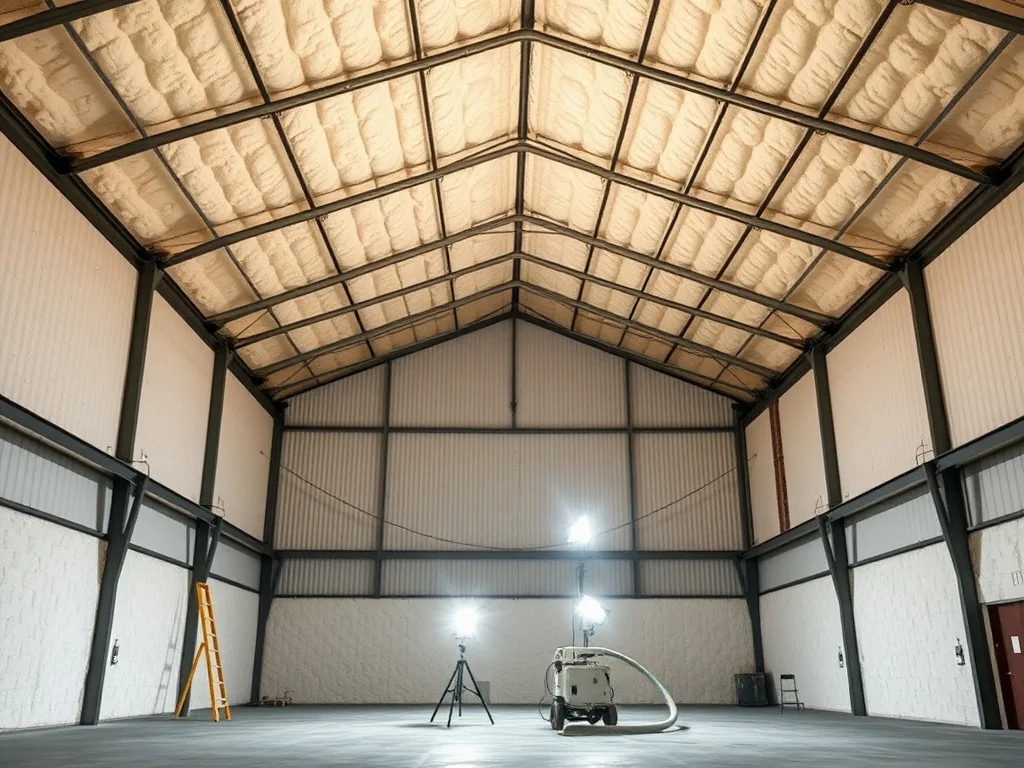
Why Metal Panels Sweat in Flagstaff
Steel is a poor insulator and an excellent conductor — heat inside a shop, barn, or warehouse moves straight through the panel to the outside face. When warm, moist interior air hits the cold underside of an uninsulated panel, it condenses. In a lot of climates that's a minor nuisance. At Flagstaff's elevation, with overnight lows well below freezing for much of the year and repeated freeze-thaw cycling, it's a structural problem, not a cosmetic one.
Condensation that forms on the inside of a panel doesn't just drip — it sits in the panel seams and fastener penetrations, freezes, expands, and works the fasteners loose over repeated cycles. Water sitting against bare or lightly coated steel is also where corrosion starts, usually first at seams, screw penetrations, and the base of wall panels where moisture collects and doesn't dry out between cycles.
Fiberglass rolls or batts don't stop this. They slow heat transfer somewhat, but they don't seal the panel, and moist air still reaches the cold steel behind the insulation — sometimes making it worse, since a damp batt against a cold panel holds moisture in place instead of letting it evaporate.

Closed-Cell Spray Foam: Insulation and Vapor Barrier in One
Closed-cell spray foam is the standard fix for metal building condensation because it does two jobs at once. It bonds directly to the panel with no air gap, so warm, moist interior air never reaches the cold steel behind it. And because closed-cell foam has a closed structure, it acts as its own vapor barrier — no separate poly sheeting or vapor-retarder layer needed behind it.
That direct-bond, no-gap application is also why closed-cell is preferred over open-cell for metal buildings: open-cell foam is vapor-permeable and more absorbent, which doesn't stop moisture from reaching the panel the way a closed-cell shot does. For a structure where the whole problem is moisture at a cold steel surface, closed-cell's vapor-closed structure is doing the actual work, not just adding R-value.
Because it's sprayed directly onto the purlins, girts, and panel interior, closed-cell foam also adds meaningful structural rigidity to the panel assembly — it stiffens thin steel panels against oil-canning and dampens the drumming noise that bare metal buildings are known for in wind and rain.
R-Value and the Air Gap Question
Metal building R-value targets vary by use — a heated shop or barndominium-style build generally wants a higher target than an unheated ag structure or storage building. Closed-cell spray foam runs roughly R-6 to R-7 per inch, which typically gets a metal building to code-relevant R-values in less depth than fiberglass rolls need, without adding the bulk that eats into usable interior height under the eaves.
On the air gap question: metal building insulation systems built around fiberglass rolls often rely on an air gap or vapor-retarder facing between the roll and the panel to manage condensation. Closed-cell spray foam doesn't need that gap — it's designed to bond directly to the panel with zero air space, which is precisely what stops condensation from forming in the first place. Skipping the air-gap detail isn't a shortcut with foam; it's the mechanism that makes it work.
We'll walk your structure's specific R-value target and application (heated shop, unheated ag building, insulated ceiling vs. roof deck) as part of the quote, since the right thickness depends on how the building is actually used.
Roof and wall panels don't always need the same thickness. Roofs typically see the widest temperature swing between a hot afternoon sun load and a cold overnight sky, so roof decks often carry a higher R-value target than wall panels on the same building. We'll spec roof and wall coverage separately where that split makes sense, rather than applying a flat thickness across the whole shell.
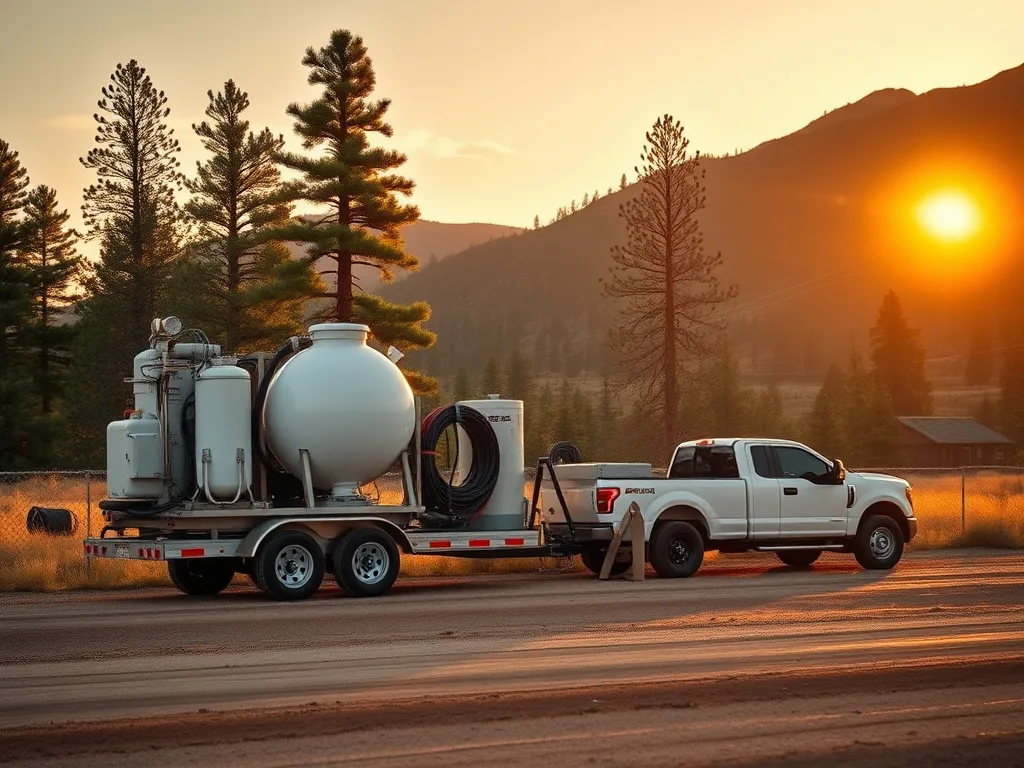
How We Insulate a Metal Building
- 01. Walk the shell. We inspect panel condition, existing corrosion or condensation staining, and confirm the R-value target for how the building is used.
- 02. Stage & protect. Equipment, lighting fixtures, and anything not being sprayed are masked and protected before application starts.
- 03. Apply closed-cell foam. Foam is sprayed directly onto panel, purlins, and girts in controlled lifts to the specified thickness, sealing seams and fastener penetrations as it goes.
- 04. Walk-through. We walk the finished shell with you to confirm coverage before we pack up equipment.
Corrosion Protection Extends the Building's Life
Once corrosion starts at a seam or fastener penetration, it doesn't stay contained to that spot — it spreads along the panel, weakens the fastener's grip, and eventually shows up as rust staining and pitting on the exterior face, long after the interior condensation that caused it has been ignored for a season or two. Repainting or re-coating panels after the fact treats the surface, not the moisture source behind it.
Stopping condensation at the source with closed-cell foam protects the structural steel underneath — purlins, girts, and the panel itself — from the freeze-thaw corrosion cycle that shortens a metal building's service life. For a building owner, that's less about a single season's comfort and more about avoiding a panel or fastener replacement job five or ten years down the road.
Who This Is For
Metal & Steel Shops
Heated workshops in prefab steel buildings where condensation drips onto tools and equipment during freeze-thaw cycles.
Ag & Ranch Buildings
Metal barns and equipment buildings where corrosion on fasteners and framing shortens the structure's service life.
Commercial Metal Buildings
Warehouses and light-commercial steel structures where corrosion protection and energy performance both matter to the building owner.
Metal Building GCs
Contractors erecting prefab steel building kits who need an insulation subcontractor that understands purlin-and-girt assemblies.
Common Questions
What is the best insulation for a metal or steel building?
Closed-cell spray foam is generally the best choice for metal buildings because it bonds directly to the panel and blocks moist air from reaching cold steel, which is the actual cause of condensation and corrosion — fiberglass rolls slow heat transfer but don't stop that moisture path.
Do you need an air gap when insulating a metal building?
With fiberglass roll systems, yes — an air gap or vapor-retarder facing is often part of the design. With closed-cell spray foam, no air gap is needed; the foam bonds directly to the panel with zero air space, which is what prevents condensation in the first place.
What R-value insulation do I need for a metal building?
It depends on how the building is used — a heated shop or livable space needs a higher target than an unheated ag or storage structure. Closed-cell foam runs about R-6 to R-7 per inch, so most targets are reached in less thickness than fiberglass would need.
Stop Condensation Before It Costs You Steel
Tell us your building's dimensions and how it's used, and we'll quote closed-cell spray foam coverage for the shell.