A Spray Foam Crew Built for Flagstaff's Builders
We install closed-cell and open-cell spray foam insulation for new construction, metal buildings, pole barns, and commercial & agricultural structures across Flagstaff, AZ and Coconino County. No retrofit sales pitches, no residential upsell script — we work the way builders and GCs need a subcontractor to work: on schedule, to spec, and ready for inspection.
Flagstaff sits above 7,000 feet, and that elevation shapes every job we run — wide daily temperature swings, a short building season, and freeze-thaw cycles that punish an assembly with any air leakage or thermal bridging. Spray foam is one of the few insulation systems that seals and insulates in a single application, which is a large part of why builders in this market spec it for structures that need to perform in that climate from day one.

Who We Work With
General Contractors
Insulation subcontracted into new-build framing schedules — showing up when the shell is ready and clearing the way for drywall or interior framing without holding up the next trade. We'll work directly off your plan set and framing schedule rather than asking you to translate it for us.
Metal Building & Pole Barn Owners
Shops, barndominiums, and outbuildings where condensation control and thermal performance matter as much as the framing itself. Spray foam adheres directly to the underside of metal roof panels and wall girts, which is what actually stops the sweating that leads to rust and drip.
Commercial & Ag Property Owners
Warehouses, ag buildings, and commercial shells that need spray foam sized and specified for the structure's actual use — not a one-size-fits-all bid. A climate-controlled warehouse and an open-sided equipment barn call for different assemblies, and we quote them that way.
How We Apply It
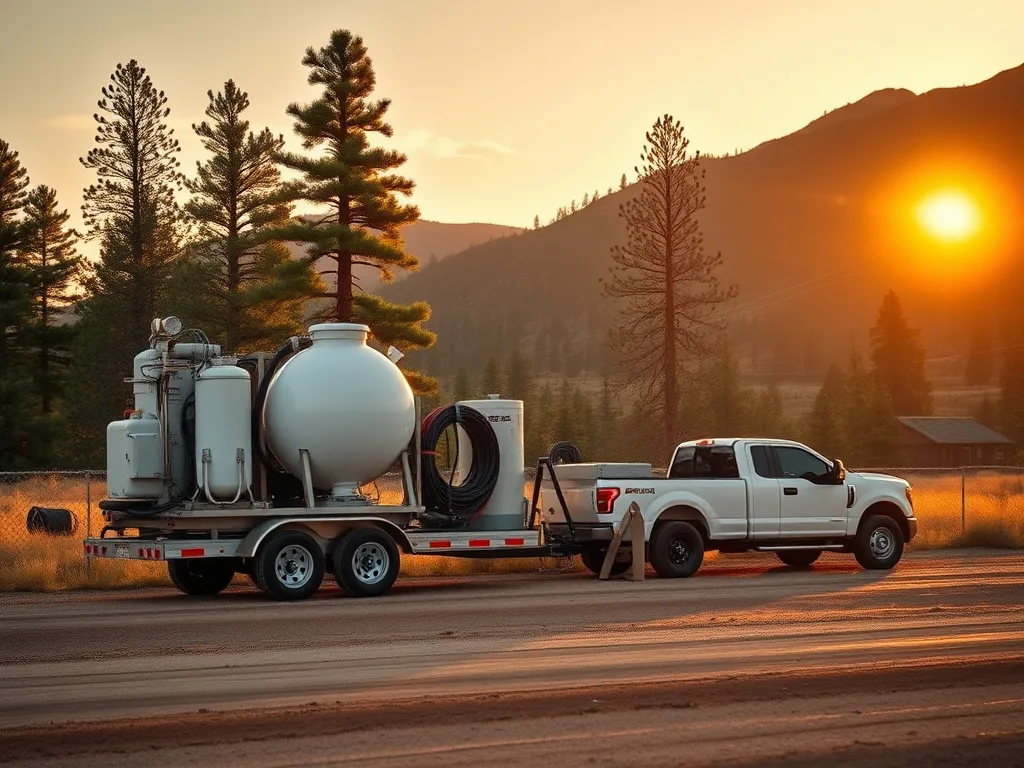
Spray foam is a proportioning-and-application process, not a can-and-roller job. We run heated plural-component rigs that hold the A-side and B-side chemicals at spec temperature and pressure through the hose, so the foam reacts and expands correctly on the substrate instead of off-ratio or under-cured.
- Substrate and ambient temperature checked before spraying — Flagstaff's elevation and swing between daytime heat and overnight cold both affect cure.
- Lift thickness controlled pass by pass to avoid off-gassing and scorching on thicker closed-cell applications.
- Cavity and roof-deck coverage checked for voids before we call a section complete — gaps are where thermal and moisture problems start.
- Site protected and masked ahead of spraying — overspray control on active jobsites with other trades present.
Materials We Install
We install both closed-cell and open-cell spray foam and spec which one goes into a given assembly based on the structure, not a default. Both are two-component polyurethane systems that expand and cure in place, but they behave differently once they're in the cavity.
Closed-Cell
Higher density, higher R-value per inch, and rigid once cured — it adds structural racking strength to a wall or roof assembly and doubles as a vapor barrier. This is what we spec most often for metal building roof decks and pole barn shells where moisture control is the main driver.
Open-Cell
Lower density, lower cost per board foot, and better sound dampening — a common fit for interior wall cavities and conditioned attic spaces in new construction where full vapor-barrier performance isn't the priority.
On a lot of jobs the right answer is a hybrid — closed-cell where moisture and structural performance matter most, open-cell where it doesn't need to carry that load. We'll walk through which combination fits your structure when we quote it.
Code-Compliant Installs, Every Time
New construction has to pass inspection — that's not negotiable for a builder trying to hold a schedule. We install to the R-value and ignition-barrier requirements that apply to the structure type, and we build our sequencing around when the inspector needs to see the cavity before it's covered.
For pole barns, metal buildings, and ag structures that fall outside typical residential code paths, we spec the application to the building's actual use — shop heated year-round, seasonal storage, or livestock housing all call for different assemblies.
If you're a GC or property owner coordinating multiple trades, we'll tell you up front how much lead time we need on the shell and where spray foam needs to land in your sequence — before framing closes in, and before drywall or interior paneling goes up behind it.
What That Looks Like on Your Job
- — Scheduled around your framing and inspection timeline
- — R-value and thickness documented for the inspector
- — Ignition-barrier / thermal-barrier coverings coordinated where code requires them
- — Direct communication with your super or PM, not a call center
Service Area
Our crews cover Flagstaff, AZ and Coconino County, including Williams, Munds Park, Bellemont, and Doney Park. If your job site is in the area and you're planning new construction, a metal building, a pole barn, or a commercial or agricultural structure, we can quote it.
Send us the address, the structure type, and rough square footage and we'll get back to you with next steps — whether that's a straightforward quote off your plans or a site visit first.